
Solve Civil is your premier soil stabilisation solution in Sydney. We’ve partnered with government bodies to provide tailored solutions for soil and other infrastructure services, and have a wealth of commercial development experience.
Whether you need it as a standalone service or integrated with your civil projects, Solve Civil has the right soil stabilisation methods to ensure long-term stability at your site.
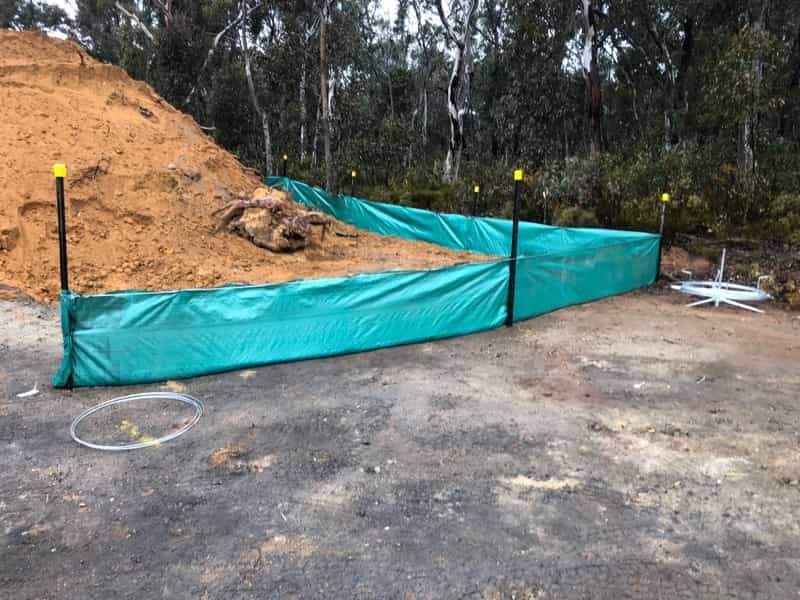
In basic terms, soil stabilisation is the process by which soil properties are modified. You stabilise to improve soil strength, reduce soil permeability, and enhance load-bearing capacity. It’s an essential piece of prep work for infrastructure projects, commercial developments, and site preparation.
By implementing soil stabilisation systems, you create stable foundations for pavements, structures, and other infrastructure projects, enhancing safety. This process differs from foundation underpinning as it supports existing structures, rather than improving bulk earthworks. It also helps to promote soil erosion control and long-term soil stability.
If required, we can integrate your soil stabilisation with our hydromulching and hydroseeding services. We’ll also deploy stabilisation at your mine site, as part of rehabilitation works.
Soil stabilisation practices have a diverse set of applications. Among them, you can implement the process as part of major projects, including:
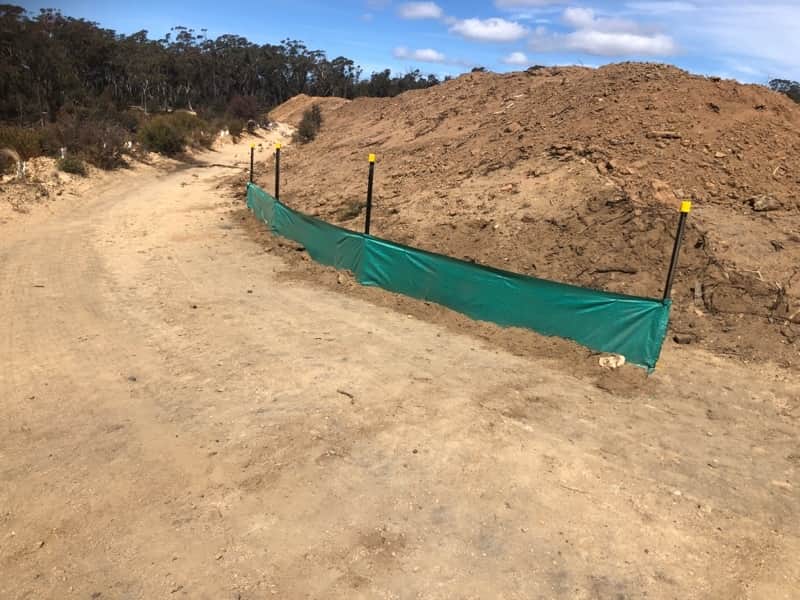
Before engaging with any soil stabilisation services, it’s important to understand the type of soil you’re dealing with, alongside other unique challenges presented. These are just some of the soils and conditions that you may need to take into account for your next project:
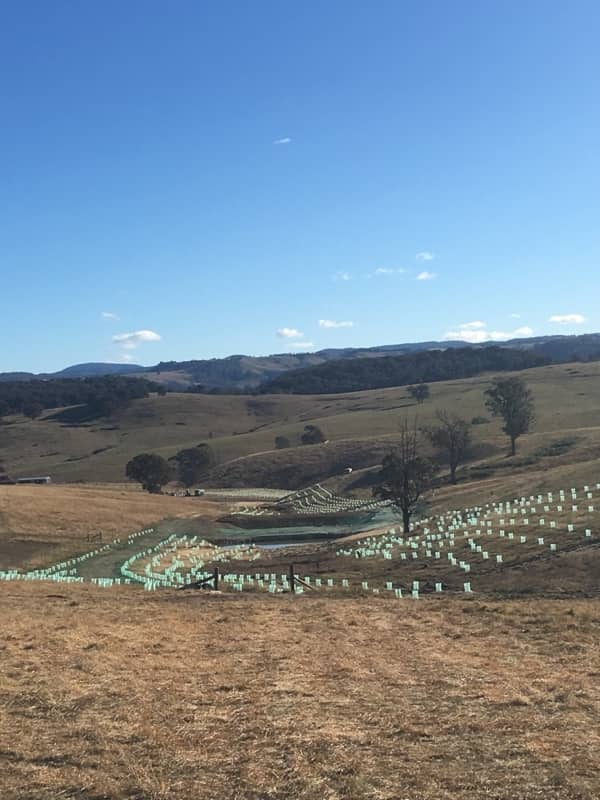
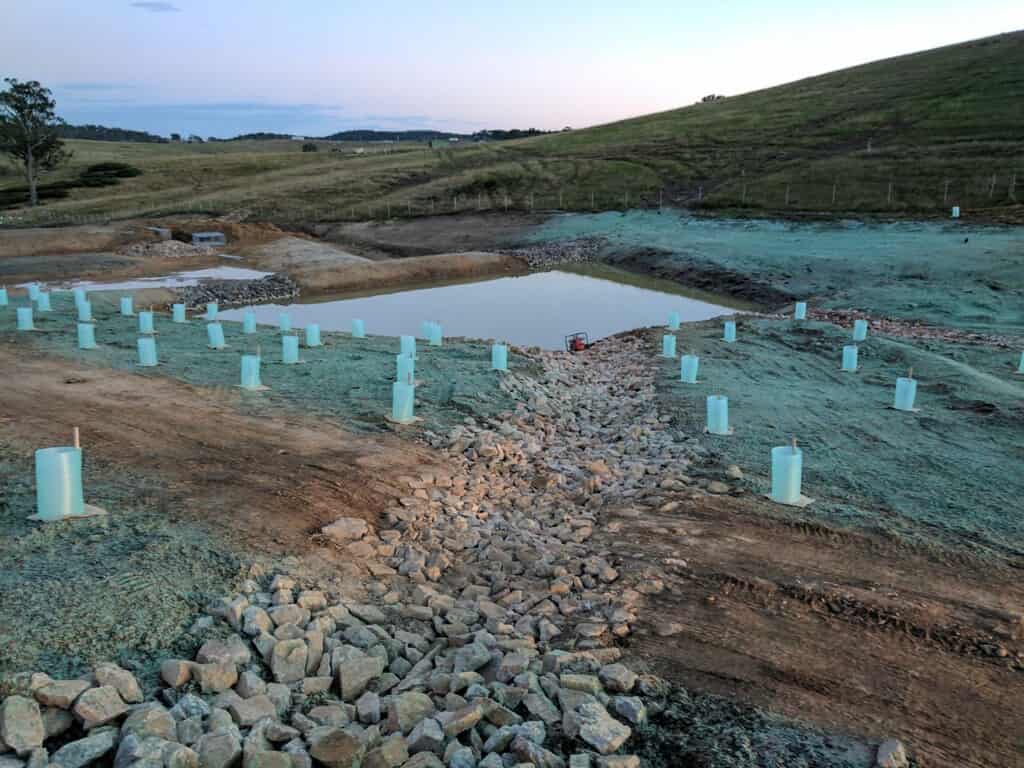
Mining can be highly disruptive to soil integrity, and it can be a challenge to rehabilitate. Our stabilisation techniques can help bring your site back to normal. Stabilisation reduces erosion, dust damage, and promotes vegetation growth, and is a valuable part of any mine rehabilitation program.
At Solve Civil, we’ve developed our own unique soil stabilisation solution. Here’s a look at our process:
1. Geotechnical Assessment:
Our in-house local experts analyse your site's soil type, load requirements, and project specifications.
2. Material Selection
Next, we'll choose between lime, cement, or other stabilising agents depending on engineering design.
3. Surface Preparation
Before initiating stabilisation, we'll remove any unsuitable material and apply moisture control measures where needed.
6. Mechanical Mixing & Compaction
We mechanically mix the stabiliser into the soil and compact it using specialised plant equipment to achieve the correct density.
5. Testing & Quality Assurance
Once the process is complete, we conduct compaction tests and compliance checks to ensure your newly stabilised ground meets all relevant Sydney project standards.
4. Spreading of Stabilising Agent
The stabiliser (lime, cement, or other) is spread evenly across your site.
We have highly regarded capabilities for dedicated soil stabilisation services for both civil engineering and commercial projects. We’ll also operate as a subcontractor and bring the same professionalism.
You'll have a single point of contact for the full process, from design through to verification testing.
Our team can seamlessly combine earthworks, civil construction, and infrastructure projects. This saves coordinating between multiple contractors, cutting down on admin and ensuring environmental sustainability.
Trusted by councils, educational organisations and more



















Car parks are the least of our capabilities when it comes to civil construction. Check out our other related services and learn more about how Solve Civil can become a trusted partner for your building needs.
The time it takes for soil stabilisation to come into effect is affected by multiple variables: soil conditions, curing requirements, and the size of the area being stabilised. It can also be affected by the overall scale and integration with other civil construction activities, as well as environmental impact assessments.
For cement stabilisation, a curing period of 3 to 7 days is required. This timeline can vary due to weather and traffic requirements. Mechanical methods, on the other hand, are generally faster. In many cases, immediate traffic use is possible.
The cost of soil stabilisation in Sydney is based on the stabilisation area’s size, current soil conditions, treatment depth, the binder type and quality, as well as site access. Typically, it’s more cost-effective to implement this process instead of deep excavations and replacement for suitable conditions.
Regardless of how it’s implemented, soil stabilisation offers long-term pavement performance and reduced maintenance costs. If you’ve got an upcoming stabilisation project, contact Solve Civil for an assessment and quote. We’ll provide you with effective engineering solutions to safeguard your site.
There are two key phases of testing in the stabilisation process.
Before stabilisation, you need to carry out testing for soil classification, moisture-density relationships, CBR testing, and mix design trials. After stabilisation has been implemented, you are required to carry out field density testing, in-situ CBR or plate-loaded testing, as well as verification of specifications.
Each element of testing is conducted to AS 1289 series standards, and Solve Civil will provide full documentation for council approval and certification.
Yes, we can. Soil stabilisation is a crucial component of post-mining operations, as it helps to re-establish vegetation, minimise erosion, and increase ground stability.
Yes, we can. We are happy to operate as a subcontractor for you, in line with your own business needs.
Stabilisation can be conducted in winter or wet weather, provided that certain precautions are taken.
Controlling moisture content is crucial to ensure successful stabilisation. Even cement stabilisation is possible, provided that adequate moisture management and water resistance initiatives are in place. Conversely, lime stabilisation solutions can actually help dry out wet clay soil walls, and should be factored into your project.
Thankfully, with the right planning, Sydney’s climate is favourable for year-round work on soil stabilisation projects. Provided you take soil conditions, extreme weather events, and specific treatment methods into account, soil stabilisation can be a smooth process.
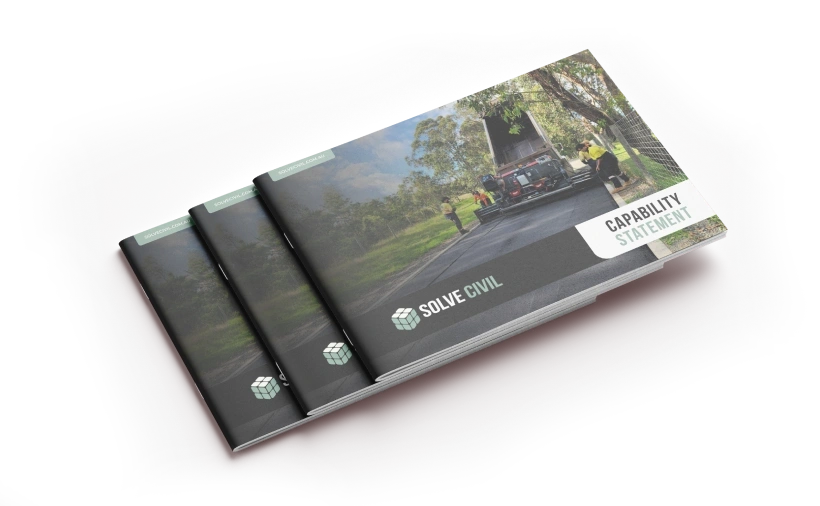
Discover how Solve Civil can transform your next project.
At Solve Civil, we’ll work closely with you to develop the best solution for your soil stabilisation project. Our experienced team is well-versed in all the latest industry innovations to deliver the best solution for your needs. We offer standalone stabilisation solutions, as well as integration with civil construction and land management delivery.
Contact Solve Civil today to find the next ground stabilisation solution for your project.
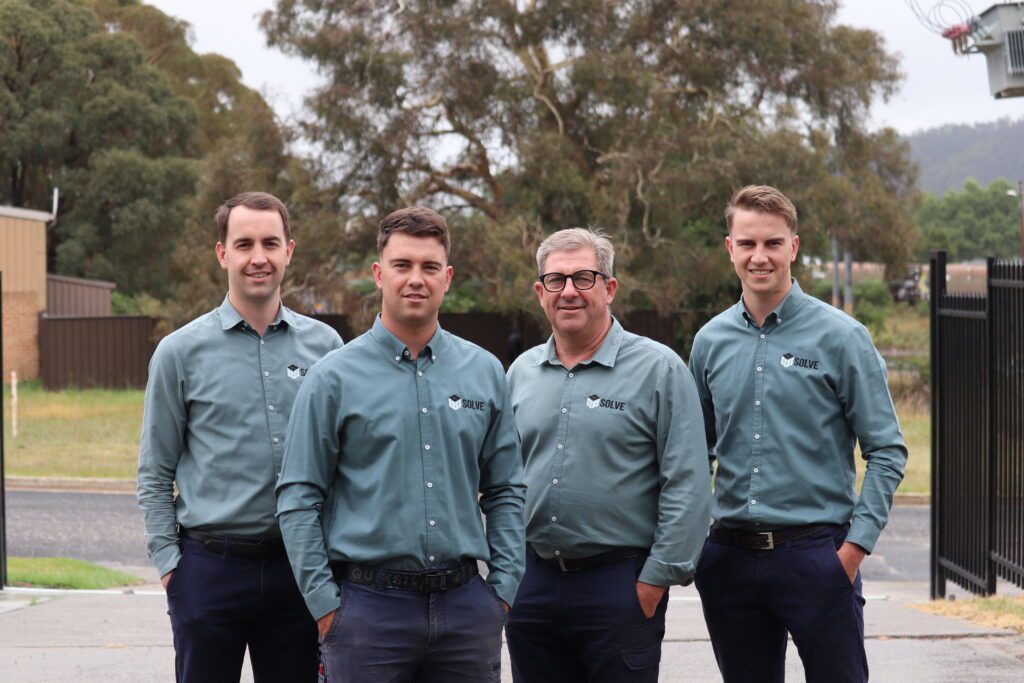
Got questions or comments? Tell us about your next project!